

Caboose - A Very Small Wood Burner
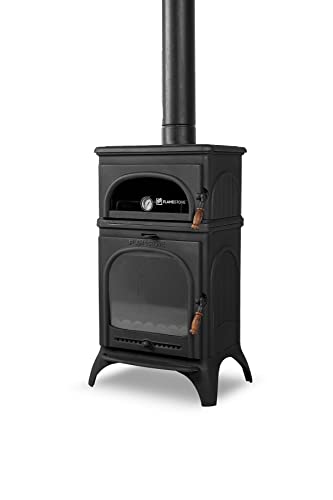
The Caboose log burner has been certified by DEFRA and Ecodesign. It is able to burn smokeless or wood. It can hold larger pieces of wood than tiny stoves and boasts an impressive burning time and heat output.
The wood stove can be protected by an heatshield to ensure compliance with Approved Building Document J, which stipulates that wood stoves must be kept at least 150mm away from surfaces that are combustible.
Clean Wood
Wood stoves aren't just beautiful to look at but they also provide a great source of heating for homes. As such, they need to be properly maintained to ensure that they operate smoothly and efficiently. This can be a difficult especially when it comes to keeping the glass clean, but a few simple steps can make all the difference.
It is essential to only burn wood that has been seasoned in your wood stove. It must be cut into pieces and stored for at least a year prior to use, as this will reduce the amount of smoke. Unseasoned wood can cause a flue to overheat and cause a fire that is out of control.
Only burn clean wood on your stove. Avoid burning paper and other non-wood items like plastics or rubber, since they could release toxic fumes that are bad for your health. Avoid burning treated or painted wood because this could release harmful chemicals such as arsenic in the air that isn't good for you.
You should also clean your stove's interior regularly. This can be done quite easily with a standard household vacuum cleaner and a brush attachment. You can also buy various cleaners that are designed specifically to be used on stove glass, however it is important to ensure that the product you select doesn't void the warranty of your stove prior to using it.
It is also essential to inspect the fire rope seals on the top and bottom of your wood stove. These seals prevent smoke or soot escaping from the stove. It is important that they are securely installed and are not worn out.
The last thing you should do is to periodically remove any birds that have a nest of your chimney. Seagulls are a particular problem and often be found on chimneys throughout summer months, leading to all sorts of debris being deposited down the flue, which could damage your stove. There are a variety of different spikes and bird guards available for sale that can be put on your chimney to stop this from occurring.
Paper Burning
Burning paper is a quick method to get the fire going, but the wrong kind of paper can cause dangerous smoke. Certain types of paper such as gift wrap and glossy magazines contain harmful chemicals that can release toxic fumes when they burn. To avoid creating a hazardous environment burn only clean paper on your wood burner.
You might want to consider using a tub if you only have a small amount of paper to burn. Set a stack of papers on top of a tub, and then light one corner. The water will smother the embers and prevent them from burning nearby grass or trees. If you are worried about the smell of burning paper, you can place a bowl of baking soda or vinegar nearby to neutralize the odors.
To make sure the paper is burning properly Start with a base of small twigs or shredded newspaper. Then, add 3-4 medium-sized logs to the flame and allow them to start to burn. Then, you can place the paper on the top. The paper will quickly burn So you must monitor the fire closely.
It is an ideal idea to pick an unwind-free day to burn papers outside. A strong wind gust can cause embers to fly into your home or into the grass. Inhaling the smoke of burning paper could cause breathing problems.
You can also burn paper using an BBQ grill however, it is recommended to do this if you have only some sheets to burn. If you have a removable grilling surface, you can remove it and burn the paper directly on the charcoal.
Before you begin burning paper, make sure that your wood burner is fully tested and the firepit has been free of any twigs or branches. In the event there is an emergency, it's a good idea also to keep a fire extinguisher close by. Consult with your local authorities and homeowners association to see whether it is permitted for you to burn papers outside.
Safety Precautions
Wood-burning stoves can provide hours of pleasure and comfort, but that joy is only possible if you take the steps necessary to use them in a safe manner. It may seem obvious to some but the reality is that too many people do not follow basic safety guidelines.
Make sure your stove is properly insulated and that any flue pipes running outside are adequately protected. Also, ensure that children or pets stay away from the stove.
Ensure that any paper and trash is not left in the fireplace. The burning of these items can cause the chimney and fireplace to overheat. They also can produce creosote, which is an fire hazard and needs to be maintained regularly.
Make sure that the smoke alarms are in good order and test them monthly. Installing carbon monoxide alarms can also save lives. They are also inexpensive.
Always keep a fire extinguisher within reach in the event of an emergency. Never create a huge stack of logs. Only burn dry, seasoned wood. A large pile of logs burning together will result in incomplete combustion, which can increase CO emissions. It is also essential to monitor the fire, and if it becomes out of control, put it out it as soon as possible.
When british wood burning stoves have finished using your stove make sure that the fire has been put out and that all combustible material is removed from the space around the fireboxes and flue pipes. The clearance requirements will vary depending on the model of your stove and the method by which you intend to install the stove inside your home.
If you are planning to install your wood stove in a smoke-free area, you should consider a DEFRA-approved model. These stoves are designed to be used in areas with smoke control. They are available in a variety of sizes and colours. Some models can be customised to match your style and have direct air intake designed for improved performance in smoke-controlled zones.
Installation
Wood stoves can be used to warm small areas. They can be used in sheds, yurts, and even cabins. They also offer a warm, comfortable fire without the use of oil or electricity. To ensure that you are able to correctly install your wood stove, it is essential to follow the installation instructions of the manufacturer. These guidelines will ensure that your wood stove is safe and can use it with no problems.
Before installing your stove, you must remove all combustible substances from the area. Also, you should leave at minimum 16" between the stove and the nearest combustible walls. If you are not able to meet these requirements, then you can install a hearth pad or stove board. The non-combustible pads come with 1" spacers that will help the stove to be positioned further away from the wall which could reduce the clearance requirement by up to 66%.
To stop smoke from escaping back into the room, take out combustible things like curtains and furniture. Install a smoke and carbon monoxide alarm in your shed. Not to mention, ensure that your shed is equipped with adequate ventilation. It is important to regularly check your stove and chimney for security.
It is an excellent idea to buy an electric stove made of wood that is EPA certified. This certification indicates the stove is more than 75% efficient. It means that it will capture and convert more of heat from the wood. You should also choose your wood stove in accordance with the recommended capacity of heating for the space in which it will be installed. This will help you avoid overloading your wood stove, which could cause creosote and smokeouts.
After you have cleared the area and removed combustible items, you should prepare the stove's foundation. This includes removing all combustible items and making the hearth ready. You should also check for any vents in place to make sure they are not blocked and clear. If not, you will need to install new vents.
After your stove has been installed and tested, you must test it by lighting 3 or 4 small fires. This will cure the paint and fire bricks on your stove, and ensure that you can safely light a large fire.